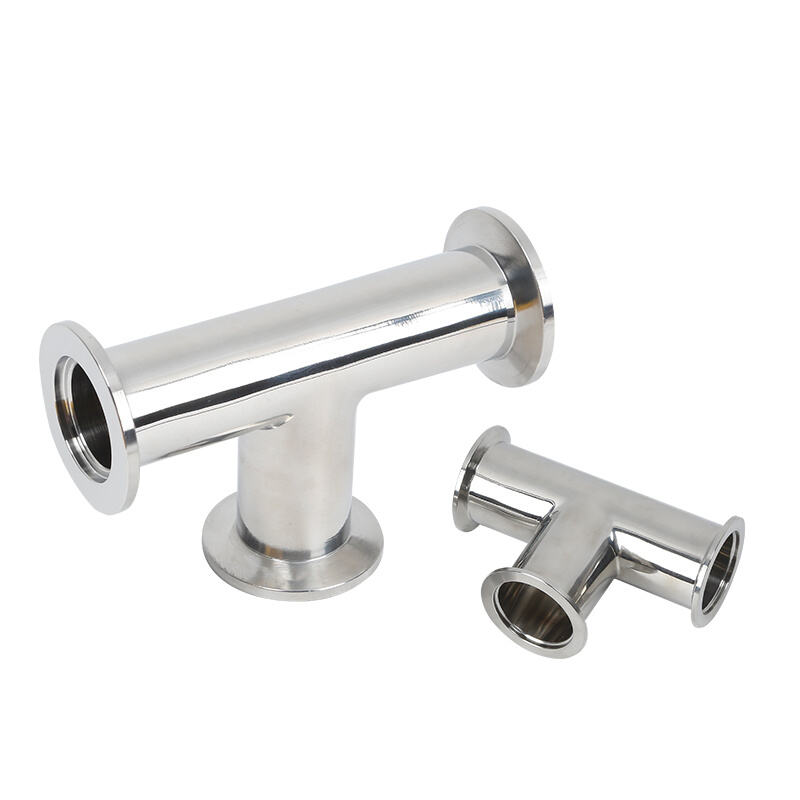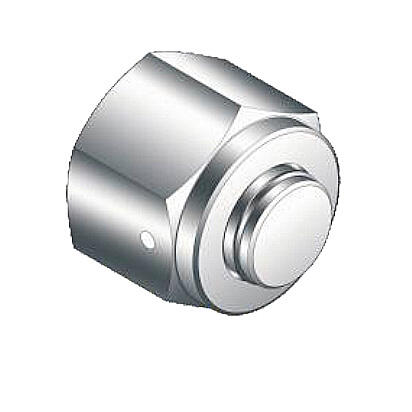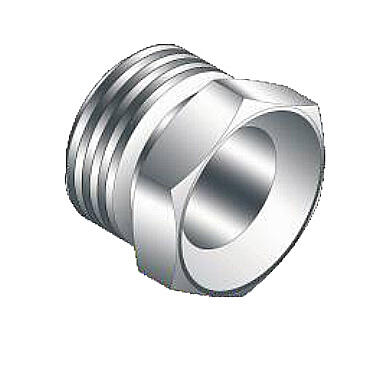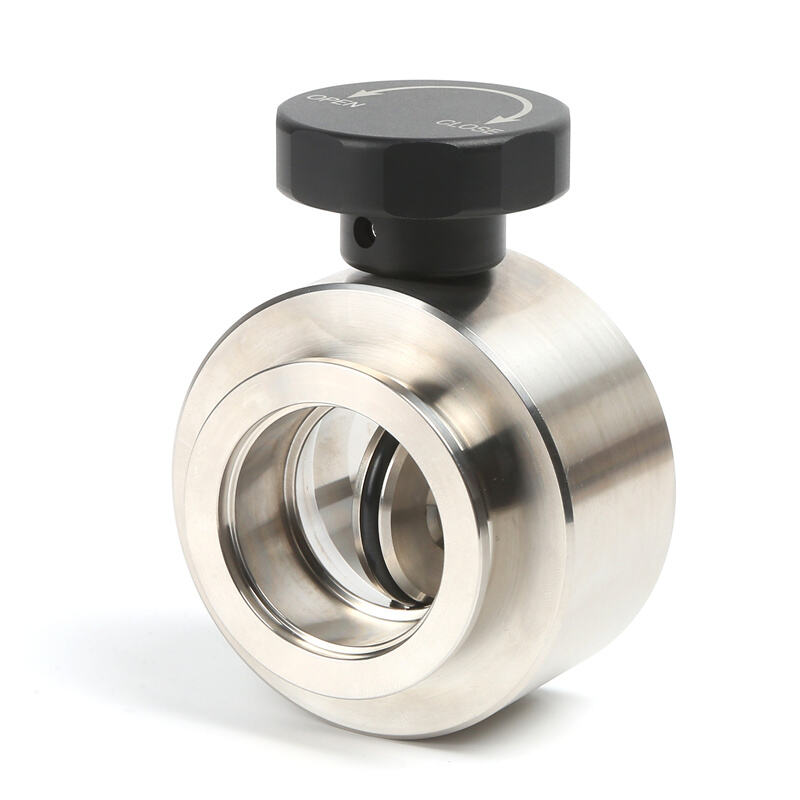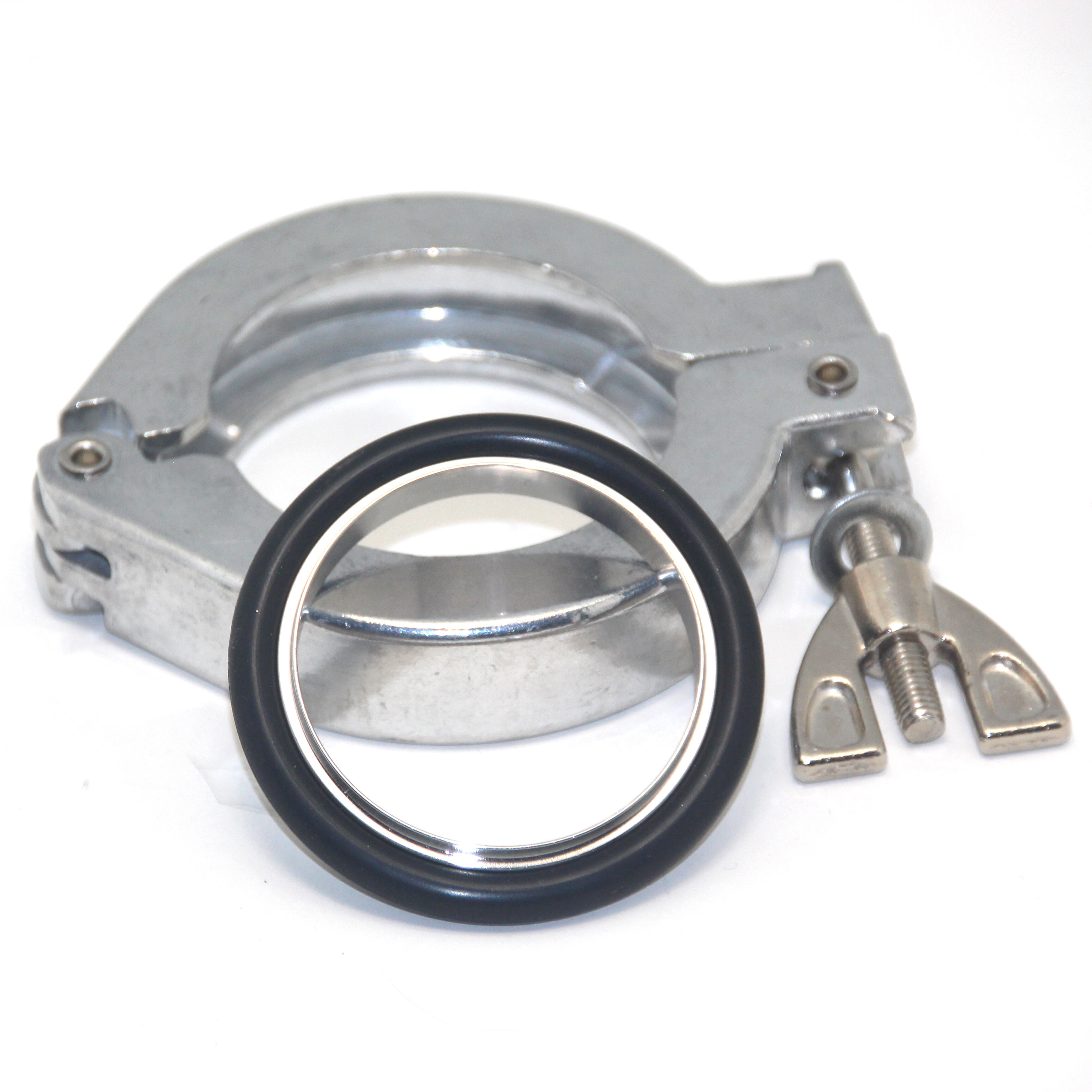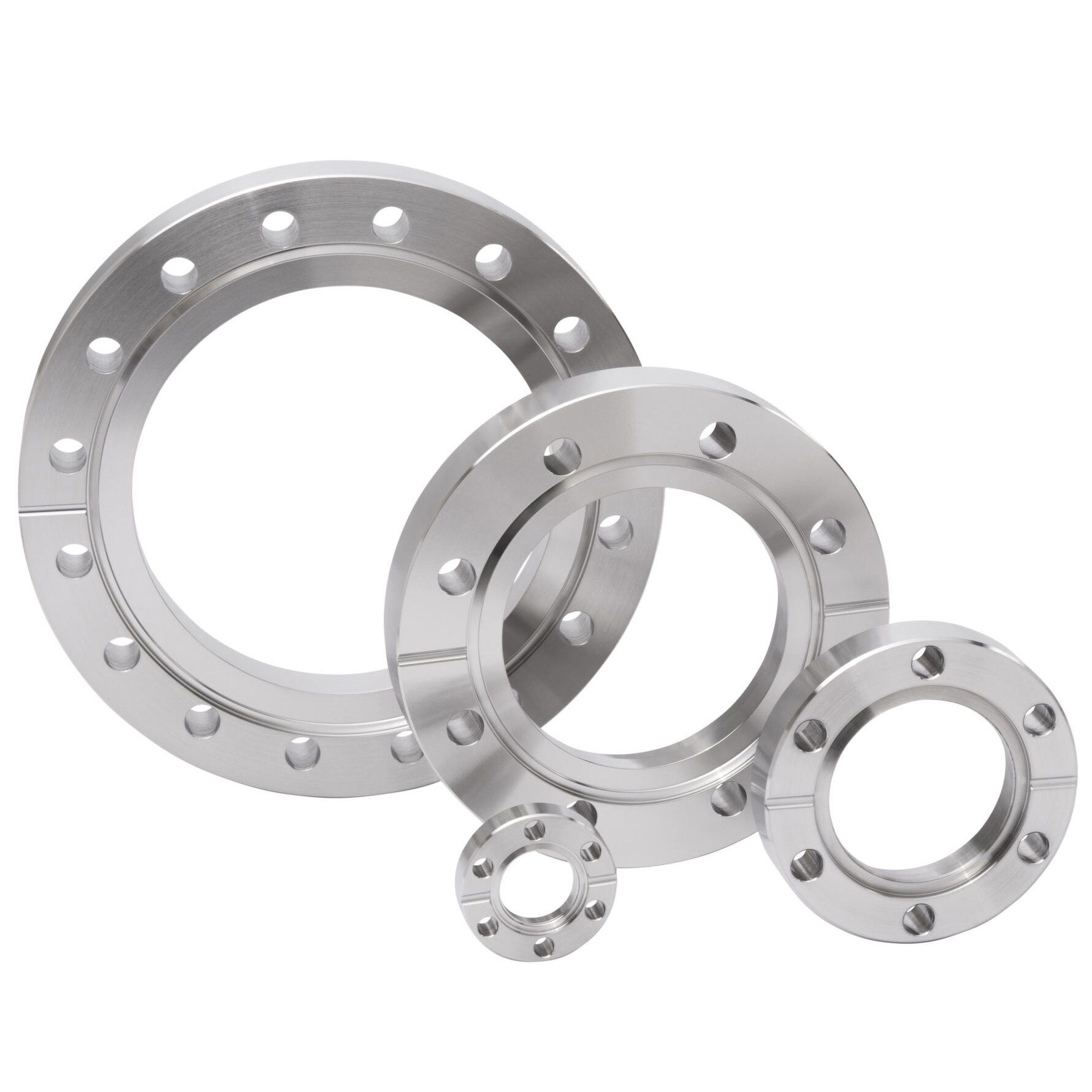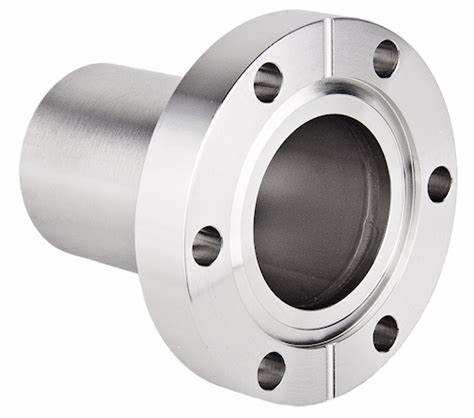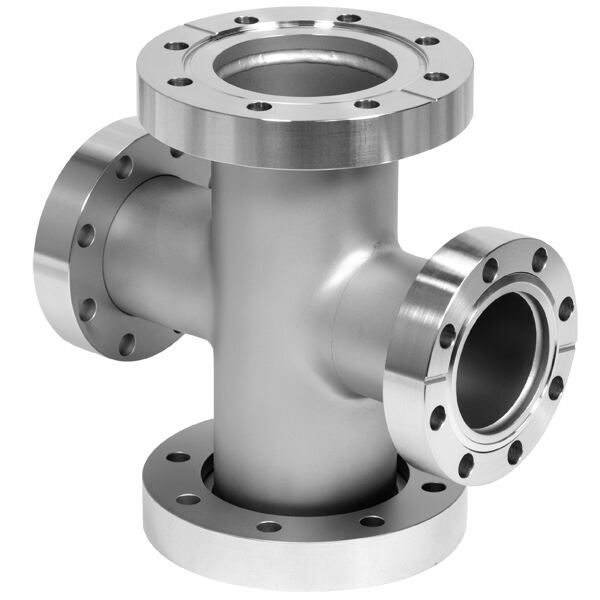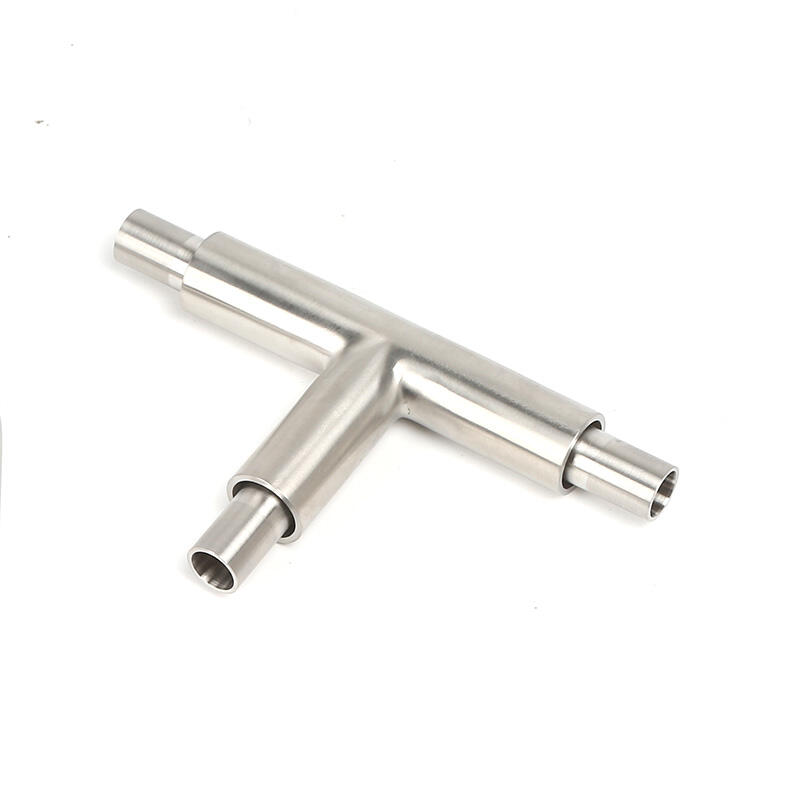
Vacuum hose connections are an important aspect of a wide array of businesses and industries. These connections aide in joining 2 machines together enabling you to run multiple systems simultaneously. Picking out the perfect vacuum hose fittings is going to be essential in order to keep your business running as smoothly and efficiently as possible. With options including different materials and sizes, there’s a fair bit to consider when choosing vacuum hose fittings.
When you decide you need the appropriate vacuum hose fittings for your business, there are a few things to consider. So, what's the material of the fittings? Stainless-steel fittings are durable and resistant to corrosion, with a wide application range for industrial use. Plastic Fittings On the other hand, plastic fittings are lightweight and reasonably priced; they can be used for less demanding applications.
Step 3 Now consider the size of your fittings. Size of the fittings must be matched to hose diameter you are using. Fitting filters that are too big, or too small can result in loss of flow and wasted energy. Also be aware of the type of connections that the fittings include, i.e., whether they are threaded or barbed, if you already have equipment to match.
Another thing to keep in mind is the pressure rating of your vacuum hose connectors. Various types of fittings are built to withstand certain levels of pressure, and for that reason you would like to decide on the most suitable type of fitting set upon your application. And don't forget to think about any special needs you may have, like anti vibration or high heat features so that these fittings will meet the demands of your project.
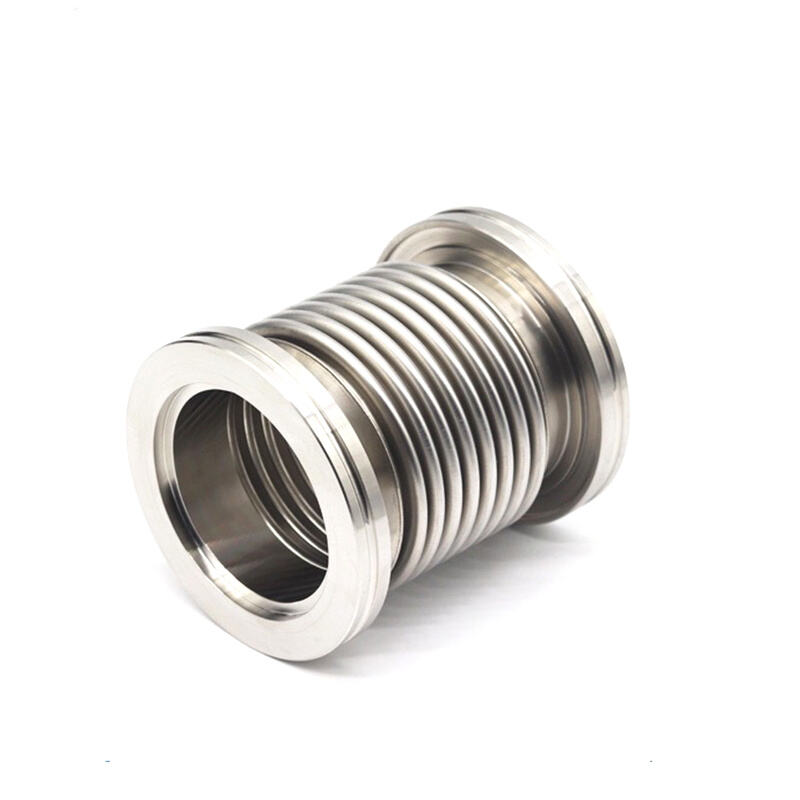
Now, in the market, some vacuum hose fittings are hot sale for wholesale. A common choice are quick-connect fittings that enable rapid, tool-fee connections between hoses and equipment. Fittings are also known as short nuts, which makes them easy to adjust by hand where frequent fastener connection adjustments are needed, such as when removing or replacing components or accessories during maintenance.
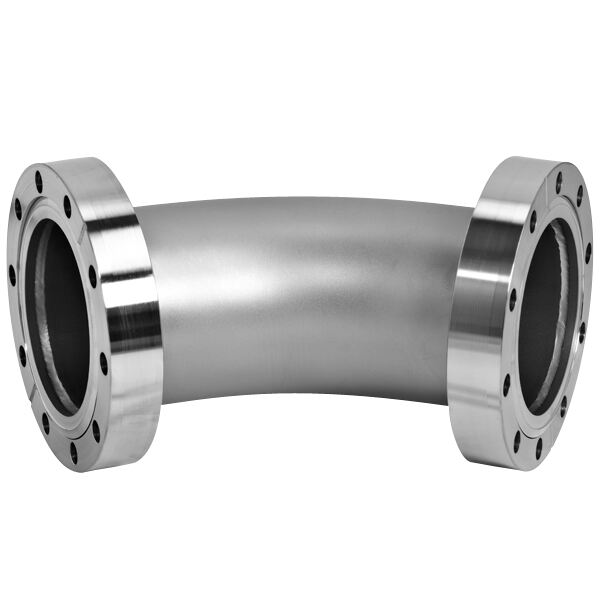
There are a few best practices to follow for vacuum hose fittings installation and maintenance so they can work efficiently. Well, first off the fittings need to be matched for size of the vacuum hoses. If the connectors you choose are too big or too small, it could result in leaks and decreased performance. Second, always flush the fittings and hoses periodically to avoid any clogs. This can be accomplished with a mild cleaning agent and water. And eventually, be sure to look over your fittings and hoses for any wear or damage, as well as replace as needed to prevent any problems from arising.
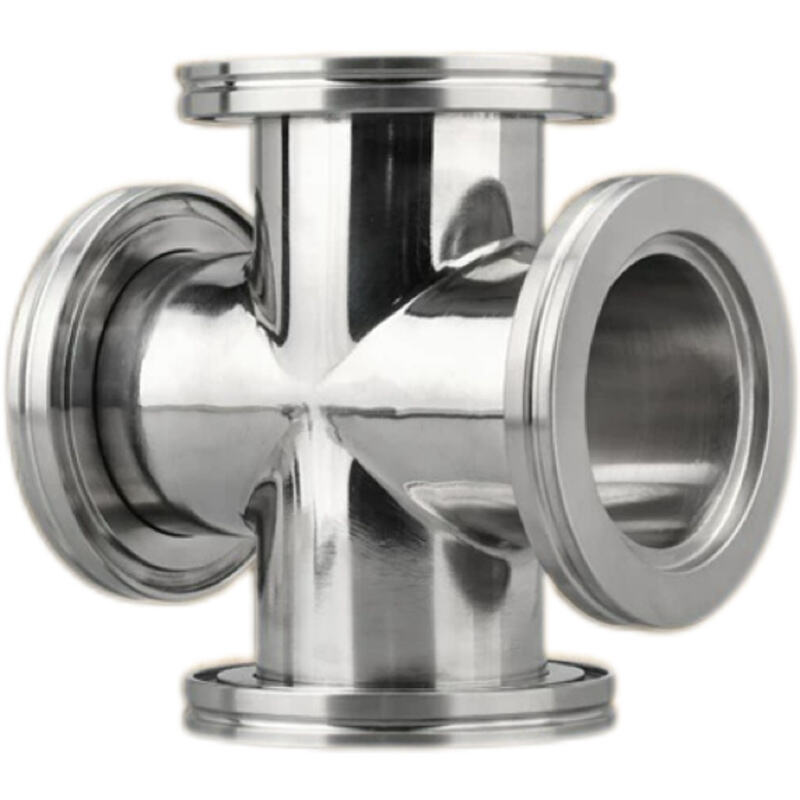
When choosing between brass and stainless steel vacuum hose fittings there are a few items to consider. Brass fittings are generally cheaper and easier to work with, but they tend not to have the same longevity as stainless steel fittings. Stainless steel fittings Stainless steel fittings, on the other hand, are much more resistant to corrosion and higher temperatures so they can be used for more demanding applications. In the end whether to use brass or stainless fittings will depend on what you need and how much money can be spent.
Equipped with Mazak CNC machines, milling CNC centers, handheld spectrometers, and advanced helium mass spectrometer leak detectors, we guarantee precision machining and zero-defect sealing for critical vacuum and high-purity applications.
We specialize in manufacturing stainless steel valves and fittings tailored for demanding industries such as food & beverage, dairy, cosmetics, pharmaceuticals, semiconductors, solar energy, and lithium technology, ensuring material compatibility and performance reliability.
Our products hold ISO 9001 certification and 3A sanitary certification, with fully traceable raw materials and rigorous quality control throughout production, ensuring compliance with international standards for hygiene, safety, and durability.
With a 1,500 sqm storage area and products exported to over 25 countries—including the USA, UK, Germany, Japan, and Australia—we maintain ample stock and efficient logistics to ensure timely delivery and reliable supply chain support worldwide.
Copyright © Wenzhou QiMing Stainless Co., Ltd. All Rights Reserved - Privacy Policy - Blog
 EN
EN