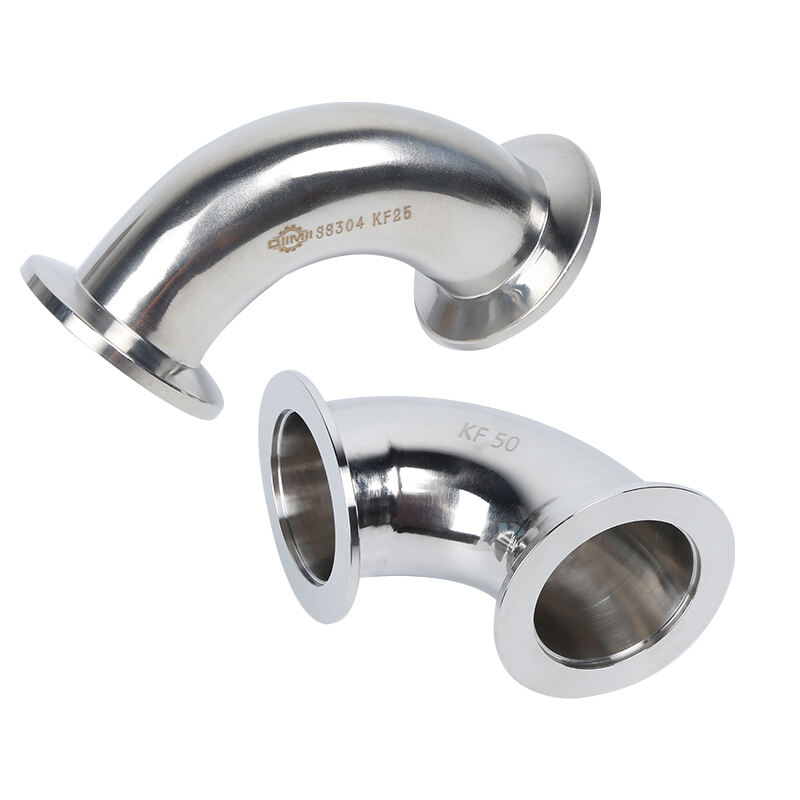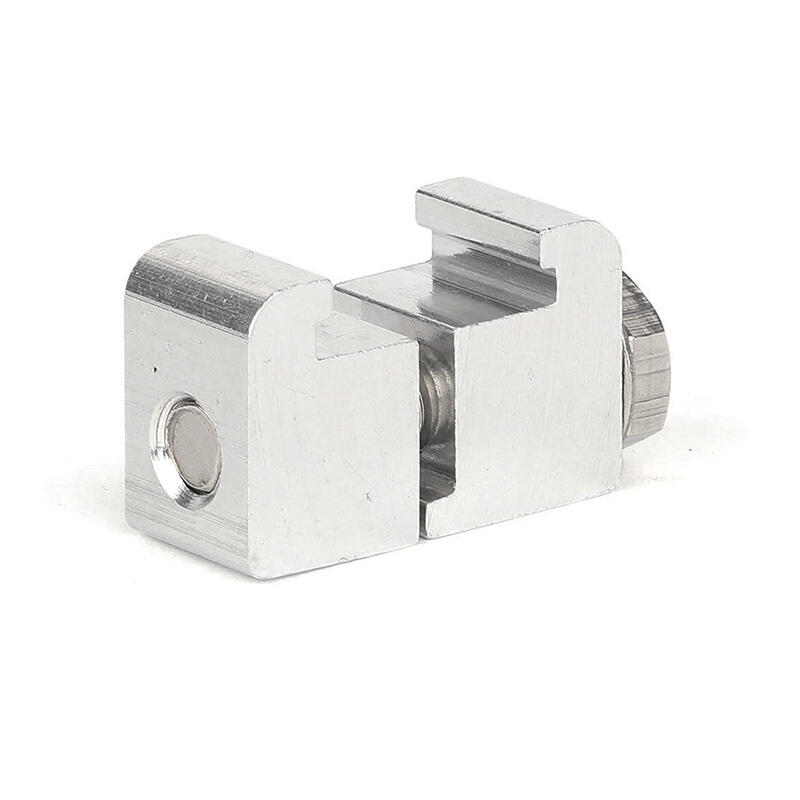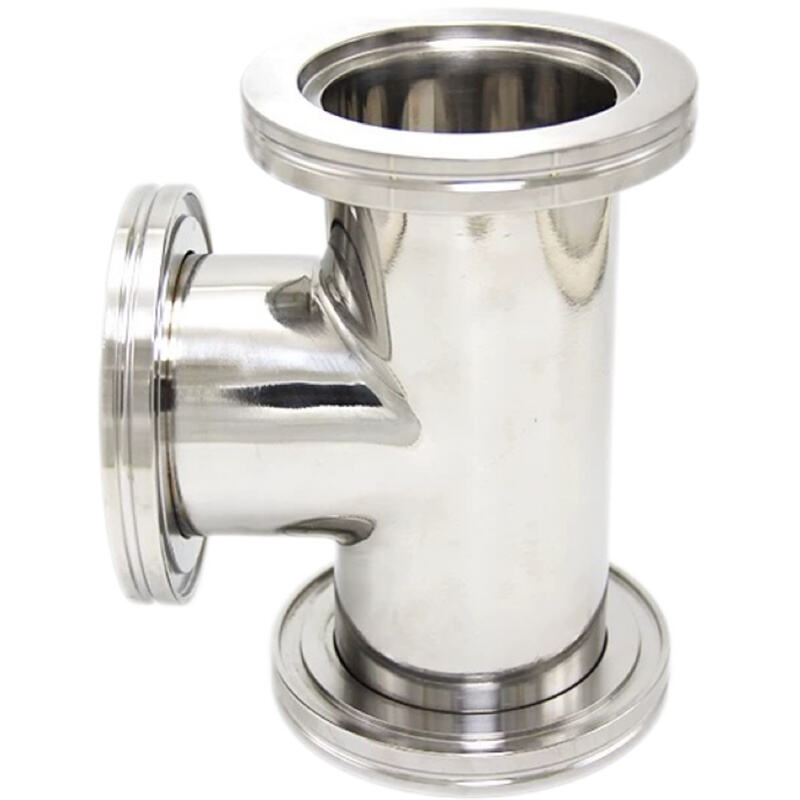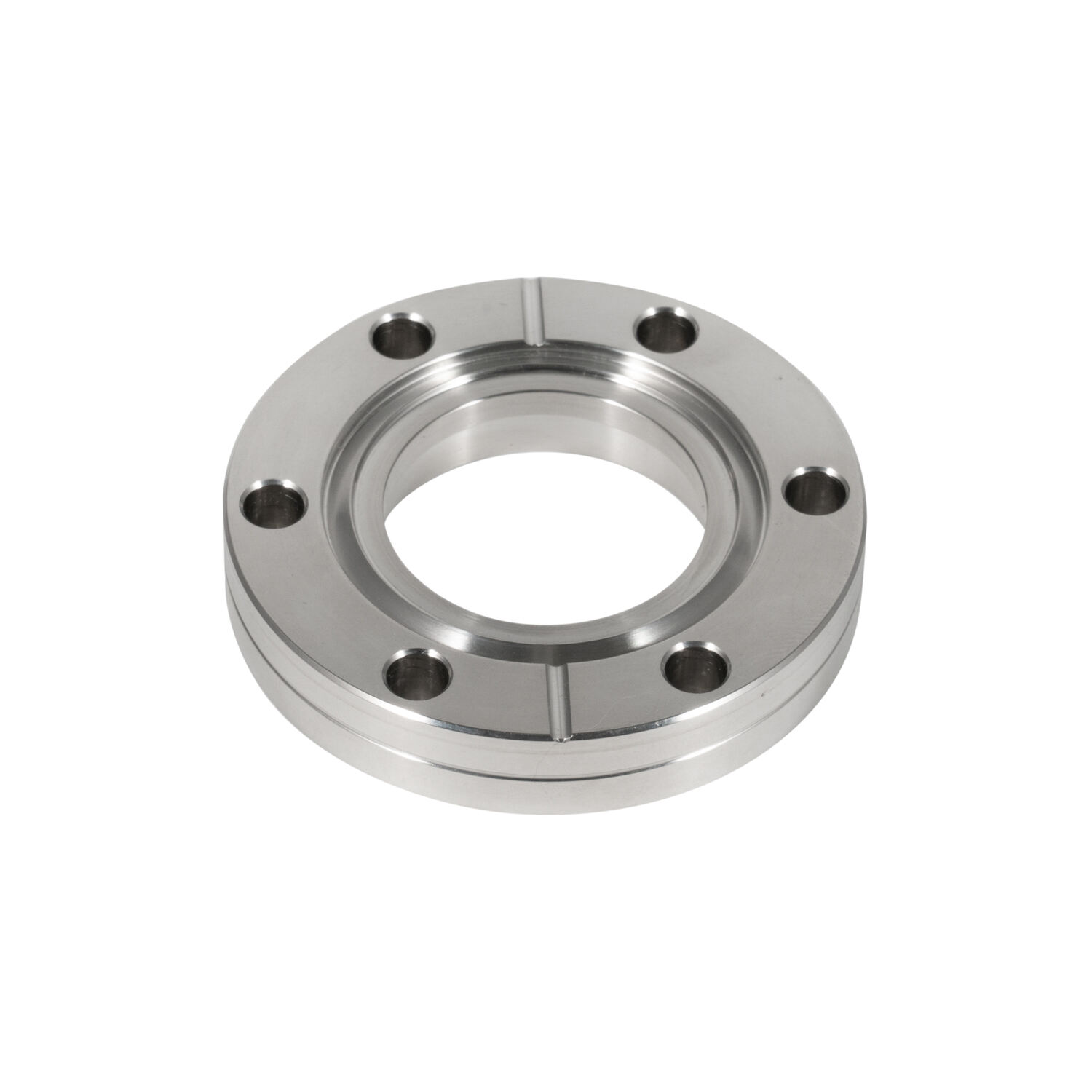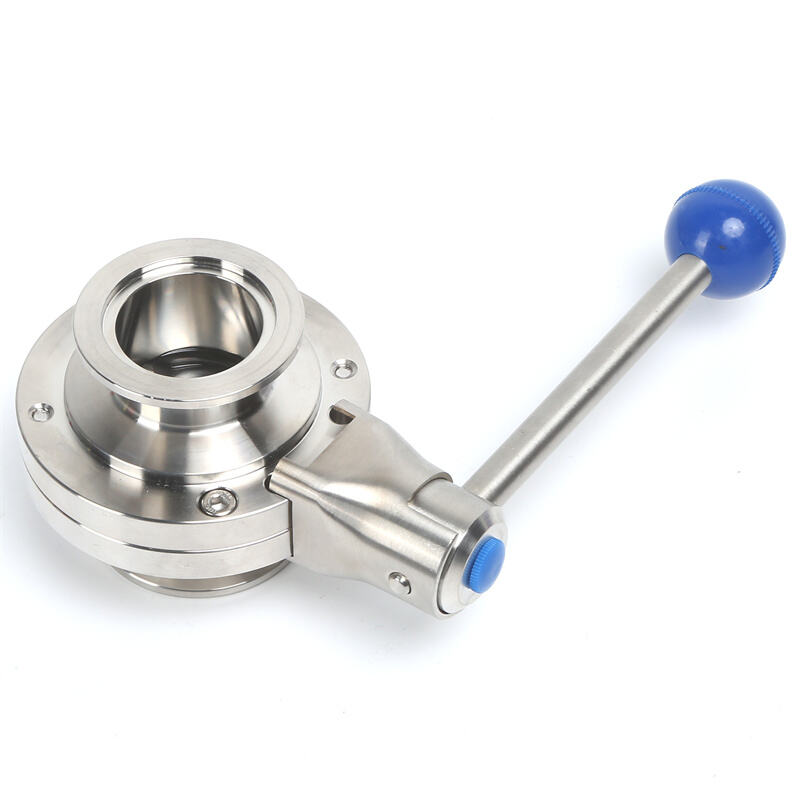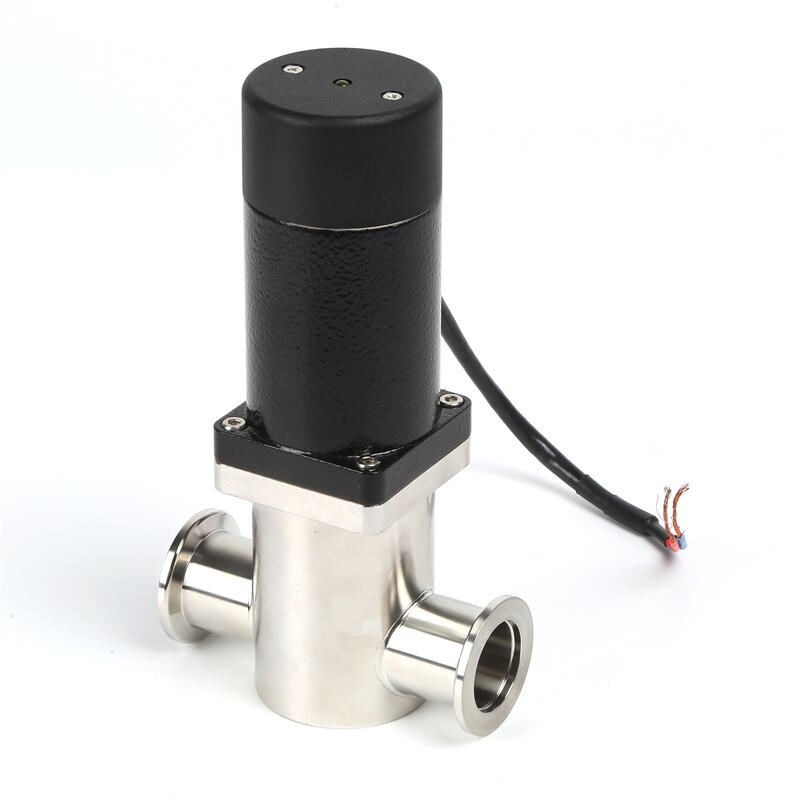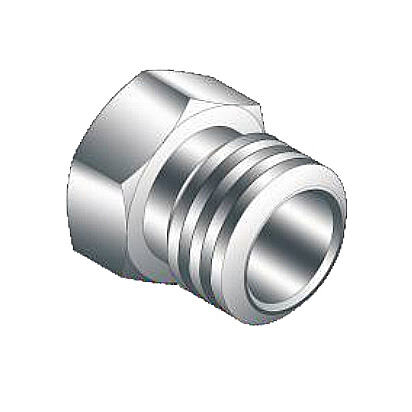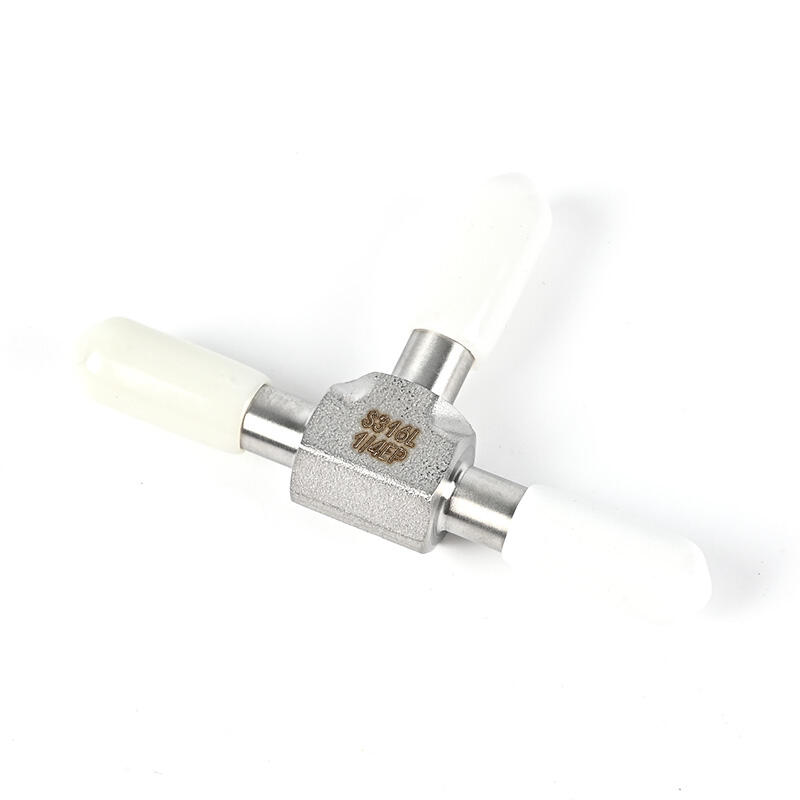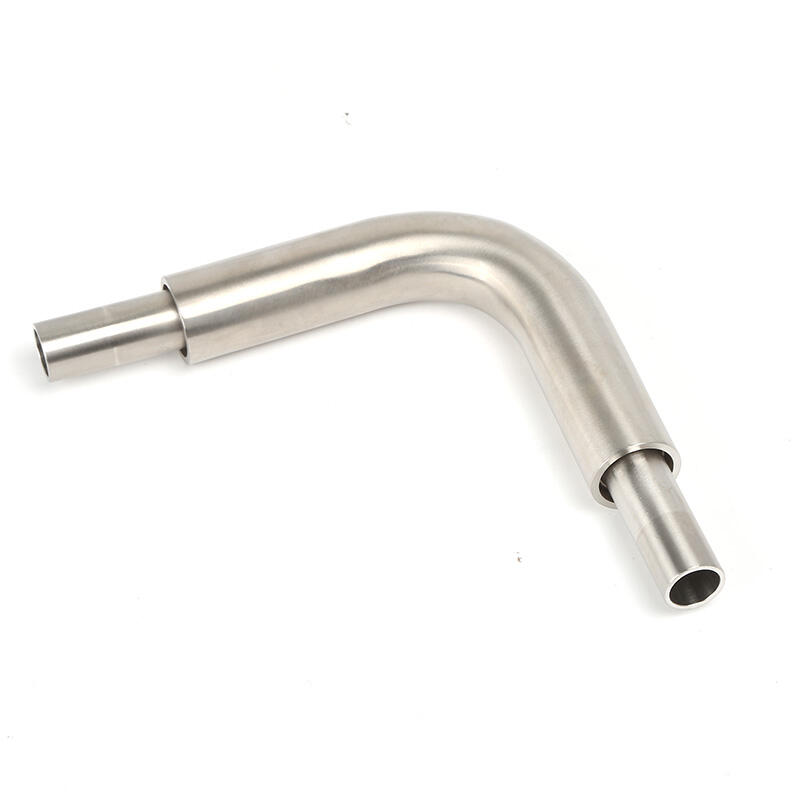
Flange socket welding is a widely used process for the industrial joining of pipe and valves. This method uses flanges welded onto a pipe, which are bolted onto another pipe or valve. Flange socket welding provides a number of benefits in efficiency and reliability, however, it is also associated with several typical problems you may encounter when applying this process. It is important that the benefits and drawbacks are appreciated in order to achieve a successful welding project in industrial environments.
Flange socket weld is widely use in industrial. One of the main benefits to this method is that it is capable of rapid and convenient piping system installation. The joint made by flange socket weld is firm and stable, it provides a watertight seal that secure the pipes and the valves together. This procedure also produces a leak-free seal, which is of utmost importance in industry where a failure can be very expensive or potentially hazardous.
With flange socket welding, all of the contents are easily accesible inside pipes and valves. This is key for maintenance and inspection, because workers sometimes need to enter the insides of pipe to fix something or look for problems. A flange socket weld red/volt bronze check valve has a smooth opening that makes it easier to insert inspection tools and repair the lines as necessary.
Moreover, flange socket welding can be used for a range of materials, such as stainless steel, carbon steel and alloy steel. This flexibility makes it popular with many different industries, including those that fall outside the realm of natural gas and electricity. Its capability of joining various material types and flange combinations adds flexibility and dependability to a range of industrial applications.
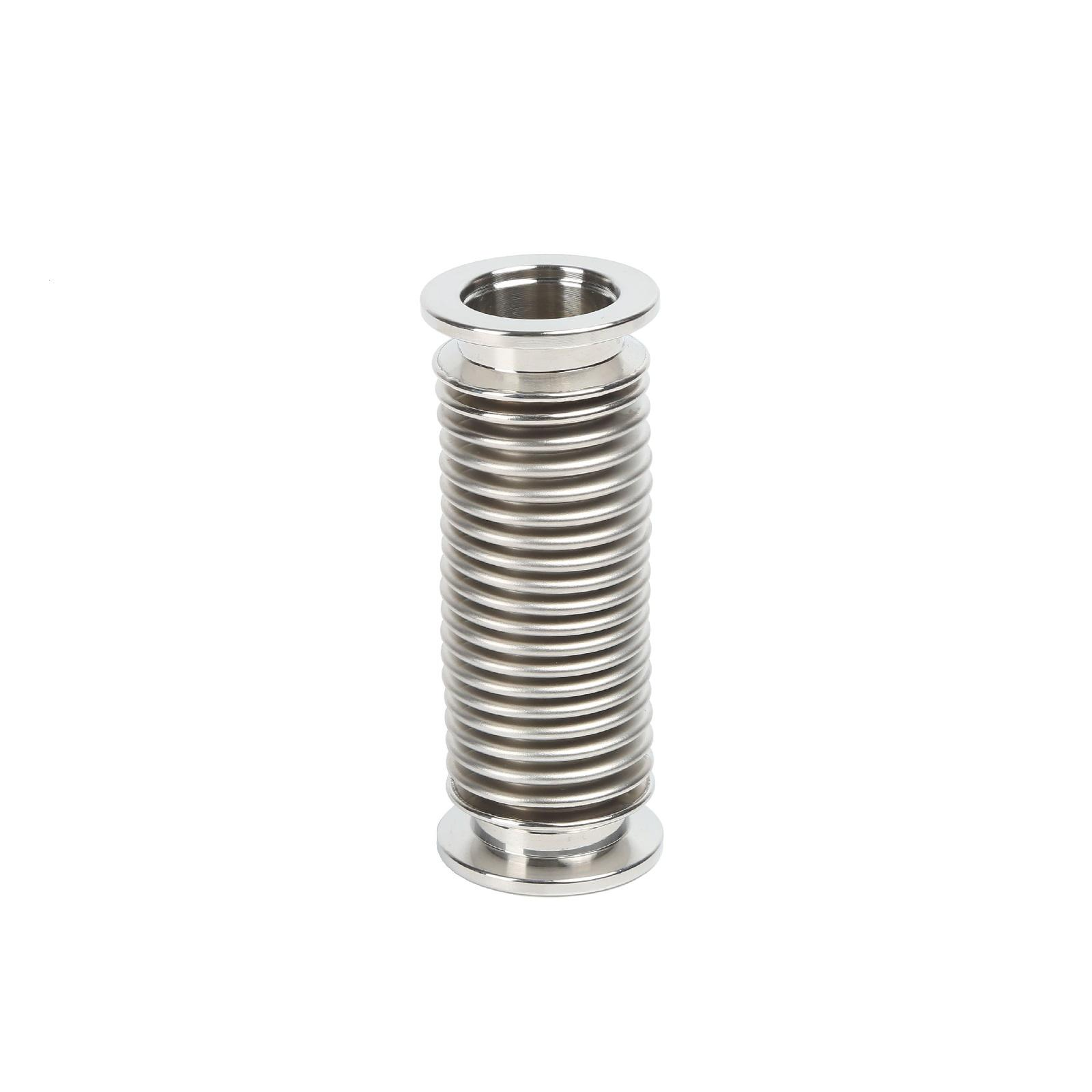
Although socket weld flanges provide many benefits, there are a few common problems you may experience when using this process in an industrial environment. A frequent problem involves the creation of cracks or flaws in the weld, which can result in a loose coupling between pipes and valves. To alleviate this problem, the welding process should be carried out properly and welds also need to be checked for defects.
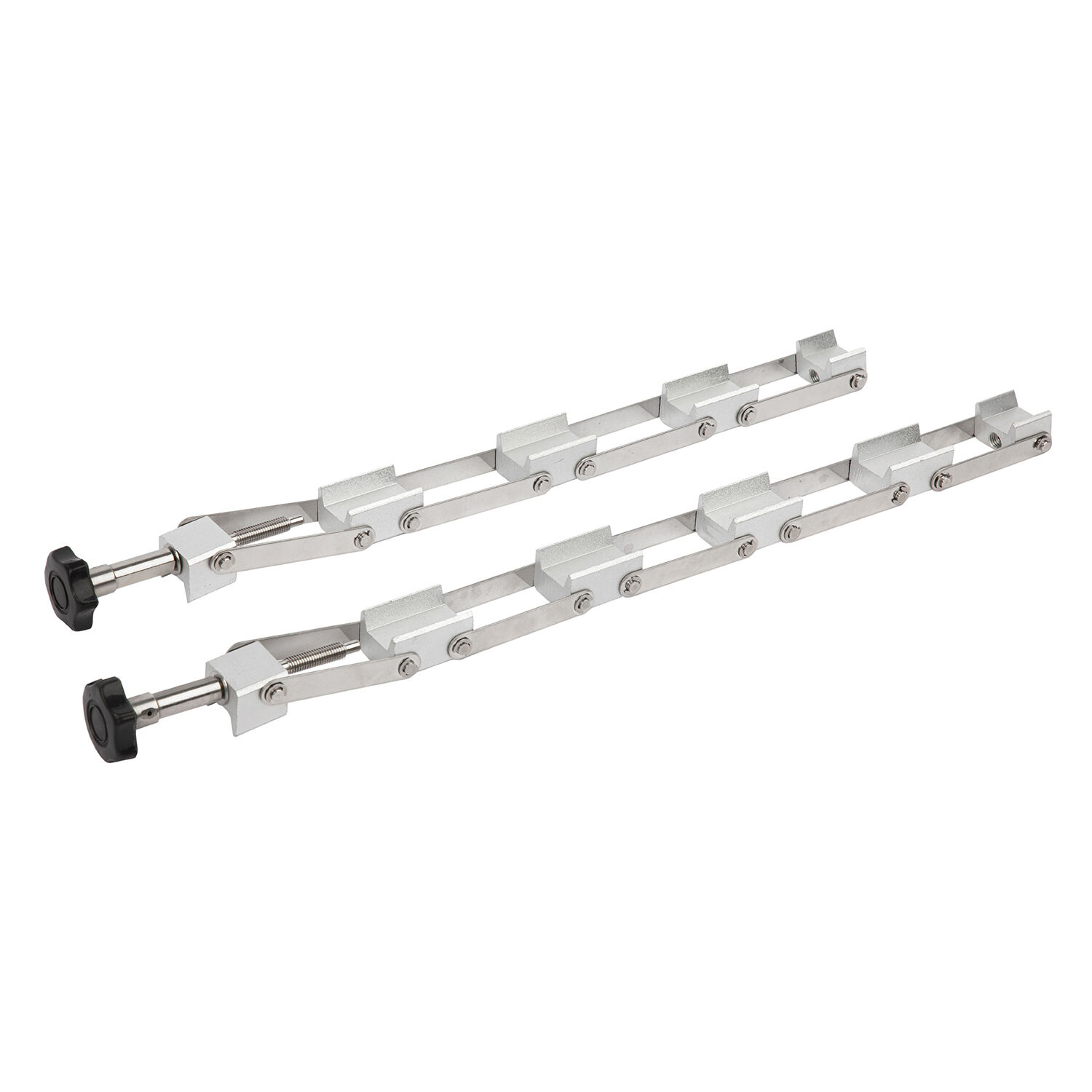
Mis-alignment between pipes and valves is another frequent problem with flange socket welding that can lead to leaking or other issues. Thorough alignment of pipes prior to welding is necessary to avoid misalignment and joints should be welded using techniques that ensure a good fit. In order to obtain correct alignment between pipes and valves, it may be necessary to use alignment tools or jigs.
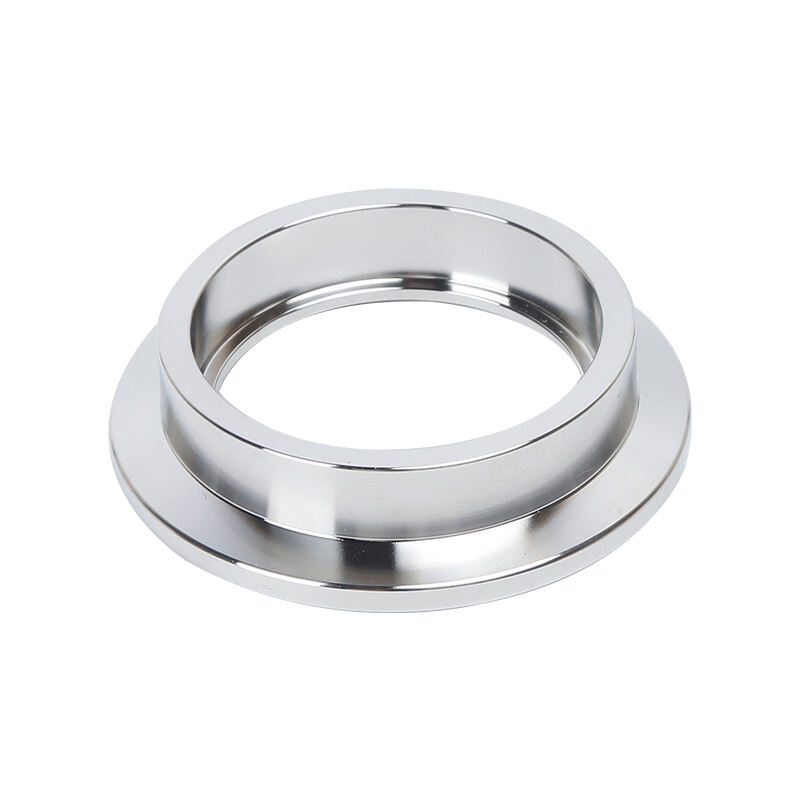
Furthermore, flange socket welding can allow for corrosion and erosion of the weld joint, which are important considerations when industrial strength water is exposed to pipes that are treated with harsh chemicals or excessive heat. To solve these problems, it is necessary to use anti-corrosion materials and coating for the pipes and valves welded. Inspections, as well as cleaning and maintenance procedures, can also serve to mitigate the risk of corrosion and erosion so that these types of pipe systems last as long as possible in industrial environments.”
Equipped with Mazak CNC machines, milling CNC centers, handheld spectrometers, and advanced helium mass spectrometer leak detectors, we guarantee precision machining and zero-defect sealing for critical vacuum and high-purity applications.
We specialize in manufacturing stainless steel valves and fittings tailored for demanding industries such as food & beverage, dairy, cosmetics, pharmaceuticals, semiconductors, solar energy, and lithium technology, ensuring material compatibility and performance reliability.
Our products hold ISO 9001 certification and 3A sanitary certification, with fully traceable raw materials and rigorous quality control throughout production, ensuring compliance with international standards for hygiene, safety, and durability.
With a 1,500 sqm storage area and products exported to over 25 countries—including the USA, UK, Germany, Japan, and Australia—we maintain ample stock and efficient logistics to ensure timely delivery and reliable supply chain support worldwide.
Copyright © Wenzhou QiMing Stainless Co., Ltd. All Rights Reserved - Privacy Policy - Blog
 EN
EN